How to Pack Efficiently for a Multi-Stop Vacation: Tips for Easy Travel
Packing for a multi-stop vacation requires careful planning to ensure efficiency and convenience. To pack efficiently, one should focus on versatile clothing, essential travel documents, and practical packing techniques. By adopting a strategic approach, travelers can minimize luggage size while maximizing outfit combinations for various destinations.
It’s crucial for travelers to consider the climate and activities at each stop when selecting clothing. Choosing adaptable pieces that can be layered or mixed and matched will create more outfit options without adding bulk. Additionally, using packing cubes or compression bags can help organize items and save space, making it easier to access belongings on the go.
Understanding the limitations of airline baggage policies and transportation logistics will streamline the packing process. Incorporating a checklist for necessities such as chargers, toiletries, and travel documents will ensure nothing important is left behind. This method not only enhances the travel experience but also reduces stress associated with managing multiple locations.
Start With the Right Luggage and Organization
Selecting appropriate luggage and organization methods can significantly enhance the travel experience on a multi-stop vacation. The right choices can save time, minimize stress, and create an efficient packing system.
Choosing Luggage for Multi-Stop Itineraries
When choosing luggage for a multi-stop trip, consider portability and versatility. A suitcase with spinner wheels offers easy maneuverability in busy airports and city streets. A backpack can be ideal for urban explorers who need hands-free convenience.
Many travelers favor luggage that meets airline regulations for carry-on size. This avoids check-in fees and the risk of lost bags. Look for luggage with robust compartments. This organization can help separate items based on destinations or activities.
Durability is essential; materials like ballistic nylon or polycarbonate withstand the rigors of travel.
Benefits of Backpacks Versus Suitcases
Backpacks offer unique advantages compared to traditional suitcases. A backpack allows for hands-free movement, essential for navigating crowded areas or uneven terrain. Its compact size fits well in overhead compartments and on public transport.
Suitcases, particularly those with wheels, provide ample packing space. They are easier for organizing larger items and often come with structured compartments.
Choosing between the two depends on a traveler’s itinerary. For instance, a backpack works well for hiking or short city trips, while a suitcase suits a more structured, hotel-based itinerary.
Maximizing Space With Packing Cubes and Compression Bags
Packing cubes are essential for organizing clothing efficiently. They help categorize items, making it easy to find essentials quickly, especially in locations with limited storage. This method prevents overpacking by encouraging a clear view of what one has.
Compression bags take organization a step further. They allow travelers to reduce the size of bulky clothing items or bedding significantly. By using compression packing cubes, travelers can save space while keeping clothes wrinkle-free.
Combining both packing solutions can optimize suitcase or backpack capacity. This ensures that maximizing space does not come at the cost of easy accessibility to items.
Building a Versatile Travel Wardrobe
A versatile travel wardrobe allows for adaptability across various climates and occasions. Choosing functional pieces that can work together makes packing more efficient and simplifies outfit selection during the trip.
Selecting Multi-Climate Outfits
Travelers should prioritize clothing that accommodates different weather conditions. Fabrics like moisture-wicking materials and lightweight layers are essential.
Suggested items:
- T-shirts: Ideally made from breathable cotton or quick-dry blends.
- Pants: Choose one or two pairs that can transition from casual to semi-formal settings.
- Skirts/Shorts: Include one that can mix and match with tops.
Footwear choices should focus on versatility. Sandals work well for warm climates, while boots offer support and warmth in colder areas.
Layering Essentials: Jacket, Scarf, and More
Layering is crucial for adapting to temperature changes. A quality jacket acts as both an outer layer and a fashion statement. Look for:
- Lightweight, packable options that can handle wind or light rain.
- Neutral colors that coordinate with multiple outfits.
Scarves serve multiple purposes—providing warmth or adding style. When selecting, consider soft materials that pack small yet provide significant warmth.
A versatile layer can transform a casual outfit into something more refined for evening activities.
Creating a Capsule Wardrobe for Versatility
A capsule wardrobe simplifies packing while ensuring enough outfit options. Focus on a cohesive color scheme, such as neutrals paired with a few accent colors. Key components for a two-week trip should include:
- 5-7 tops: A mix of t-shirts and blouses.
- 3-4 bottom options: Including pants, skirts, or shorts.
- 1-2 jackets or cardigans: Ideal for layering.
Footwear should be minimal yet versatile. Aim for one pair of sandals for casual wear and one pair of boots for more active outings. This intentional selection makes transitions between activities seamless and stress-free.
Smart Packing Techniques and Checklists
Efficient packing is essential for a successful multi-stop vacation. A well-structured checklist and smart packing habits can make the process easier and more organized.
Making a Packing Checklist for Multi-Stop Travel
Creating a meticulous packing checklist can significantly streamline the packing process. Start with categories such as clothing, toiletries, electronics, and travel documents.
Example Packing Checklist:
- Clothing
- Outfits for each destination
- Layers for varying climates
- Comfortable shoes
- Toiletries
- Travel-sized toiletries in ziplock bags
- Medication
- Essential grooming items
Organize the checklist by travel day or destination. This ensures all necessary items are accounted for and maintain consistency throughout the trip. Checking off items as they’re packed helps to minimize forgetfulness.
Efficient Packing Tips to Maximize Space
Maximizing packing space is crucial on a multi-stop trip. Prioritize versatile clothing that can be mixed and matched.
Space-Saving Tips:
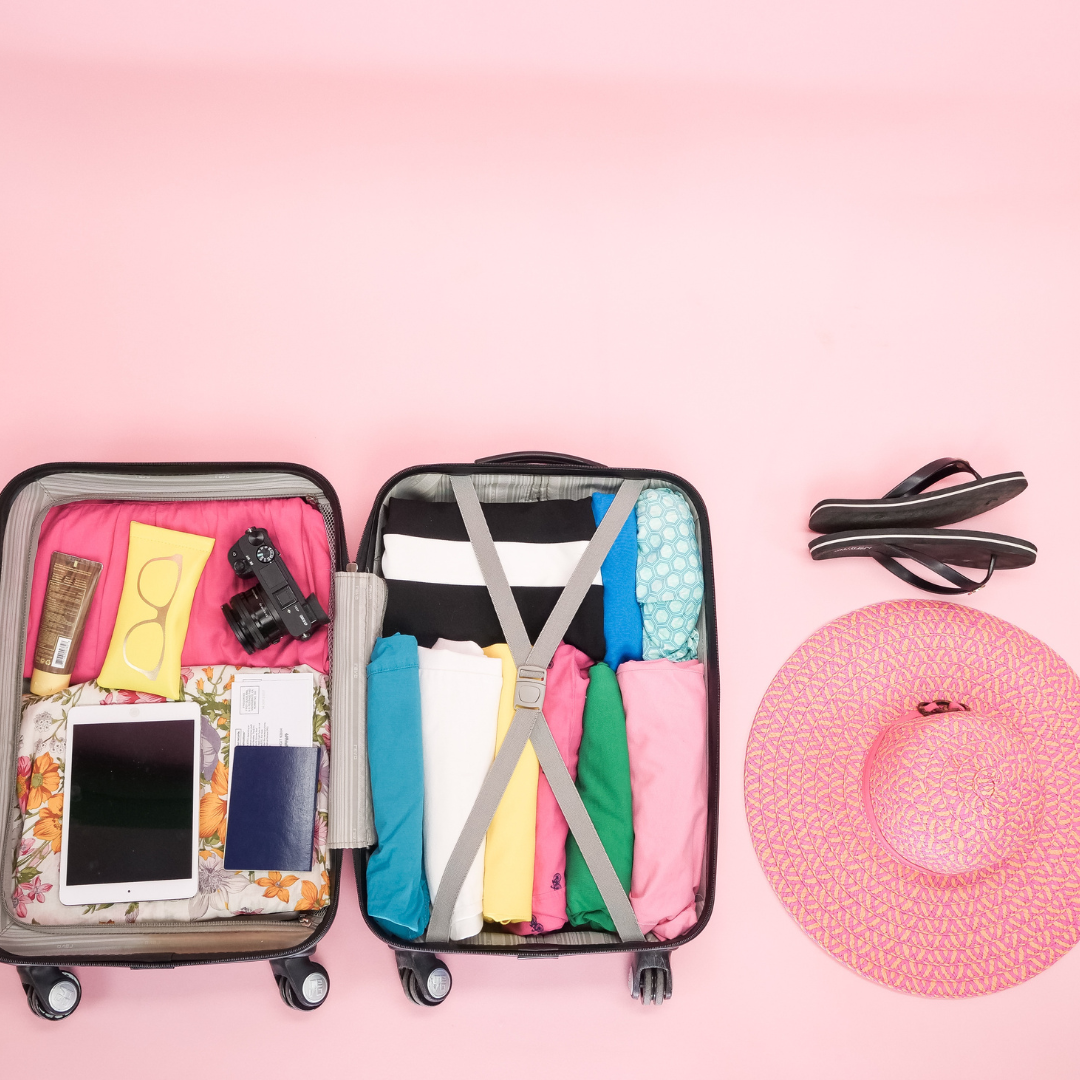
- Roll Clothing: Rolling rather than folding can save space and reduce wrinkles.
- Packing Cubes: Utilize packing cubes to group similar items. This makes finding clothes easier.
- Wear Bulky Items: Wear heavier shoes or jackets during travel to free up space in luggage.
Adopting these techniques not only maximizes space but also eases the process of unpacking at each stop.
Organizing Toiletries and Small Essentials
Toiletries can become cumbersome without proper organization. A designated toiletry bag helps keep these essentials in one place.
Toiletry Organization:
- Travel-Sized Containers: Use travel-sized bottles to comply with regulations for carry-ons.
- Ziplock Bags: Store liquids in ziplock bags to prevent leaks and aid airport security processes.
- Separate Pouches: Smaller pouches can be used for items like makeup or medication.
By categorizing toiletries and being mindful of size, one can travel with ease and avoid unnecessary hassle during transfers. Proper packing techniques ensure that all essentials remain accessible and secure.


You May Also Like

What are Vaccine Passports?
The Best Packing Tips for Stress-Free Holiday Travel: Maximize Space and Minimize Hassle