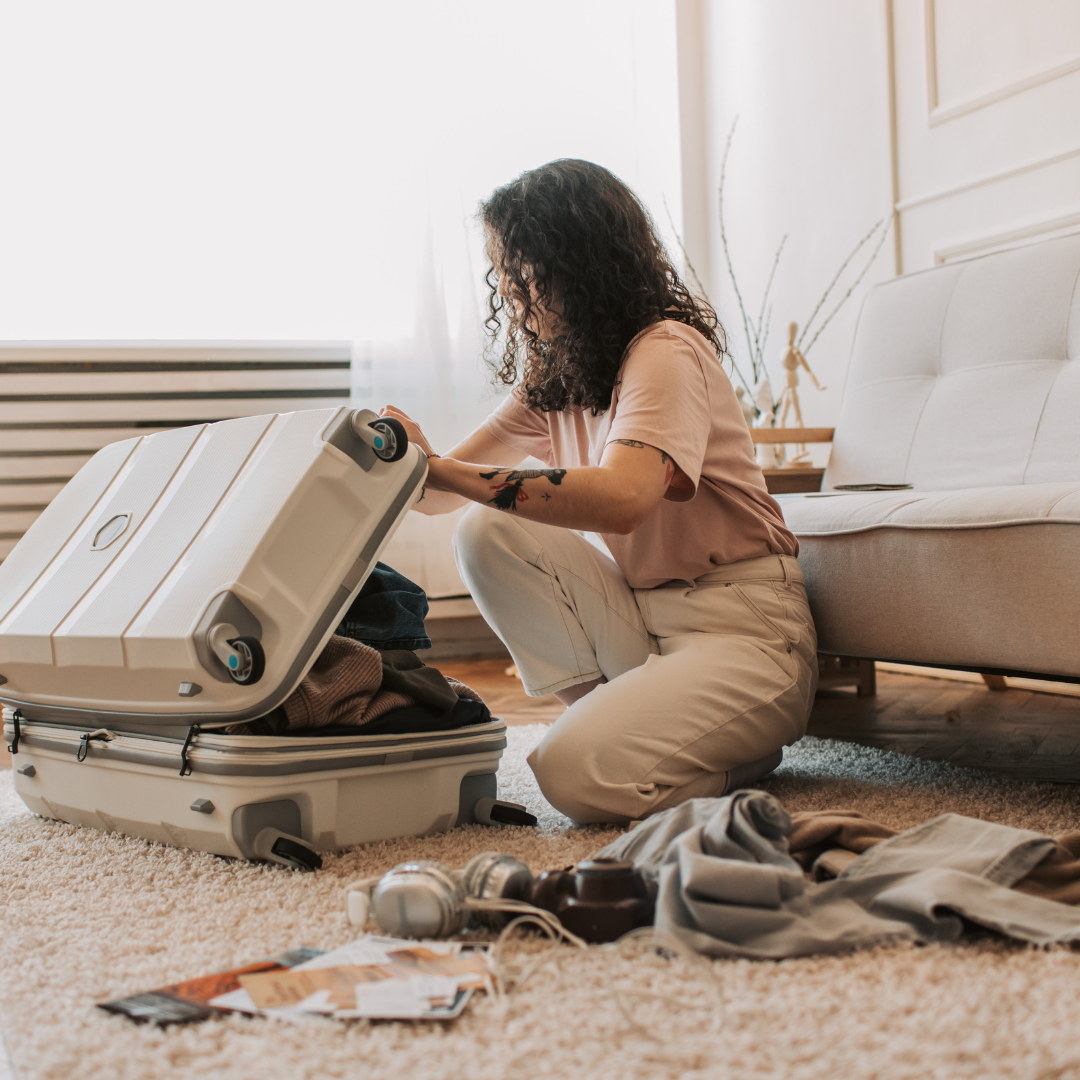
How to Pack Smarter and Lighter for Every Trip: Essential Tips for Efficient Travel
Packing for a trip can often feel overwhelming, but it doesn’t have to be. By focusing on versatile clothing, essential gear, and smart packing techniques, travelers can maximize space and minimize weight. This approach not only makes travel easier but also enhances the overall experience, allowing for more freedom and less hassle.
A smart packing strategy starts with choosing the right items. Instead of packing a separate outfit for every day, travelers can opt for mix-and-match pieces that work for various occasions. Utilizing packing cubes or compression bags can also help organize belongings while saving valuable space in their luggage.
Ultimately, the goal is to travel light without sacrificing comfort or style. With thoughtful planning and a few practical tips, anyone can streamline their packing process. Taking a smarter approach to packing ensures a more enjoyable adventure, leaving more room for memorable experiences.
Fundamental Strategies for Packing Smarter and Lighter
Packing smarter and lighter requires a strategic approach to organizing travel essentials. By incorporating specific techniques and mindsets, one can effectively reduce baggage weight and maximize packing efficiency.
Adopting a Minimalist Packing Mindset
Embracing minimalism is key to packing lighter. This involves assessing needs critically and focusing on the essentials.
To adopt this mindset, travelers can ask themselves:
- What do I truly need?
- Am I likely to use this item?
By narrowing down choices, unnecessary items can be eliminated. Prioritizing versatile clothing that can be mixed and matched helps in creating multiple outfits with fewer pieces. Choosing neutral colors and lightweight fabrics aids in maintaining a compact wardrobe.
Mastering Packing Lists for Organization
A well-structured packing list can transform how one prepares for a trip. It allows for meticulous planning and helps avoid forgetting important items.
Travelers should categorize items on their lists, such as:
- Clothing
- Toiletries
- Electronics
They can further streamline packing by using checkboxes. Cross off items as they pack them to ensure nothing is omitted. Digital tools or apps can assist in creating and maintaining packing lists, making it easier to adapt for future travels.
Establishing Essentials Versus Non-Essentials
Differentiating between essentials and non-essentials is crucial for light packing. Essentials are items that are needed for comfort and functionality, while non-essentials are those that can be left behind.
To establish this distinction, one could consider:
- Frequency of use
- Urgency during the trip
Packing cubes can assist in organizing essentials so that they are easily accessible. Prioritizing multi-functional items, such as a jacket that can serve as a pillow, also enhances efficient packing. This approach minimizes clutter and simplifies the travel experience, allowing for a more enjoyable journey.
Pre-Trip Planning and Preparation
Effective trip packing begins well before departing. Thoughtful planning and preparation enable travelers to streamline their packing process and ensure they have all necessary items organized. Each aspect of pre-trip preparation contributes to a more efficient experience.
Researching Destinations and Weather
Before packing, it is essential to research the destination and its weather. This helps in selecting appropriate clothing and gear. Travelers should check the climate, including temperature ranges and expected conditions like rain or snow.
Creating a packing list based on the weather forecast is beneficial. Consider versatile clothing items that can be layered for warmth or mixed for various activities.
Additionally, researching local customs can guide choices in attire, ensuring cultural appropriateness. Compiling this information supports smarter packing.
Visualizing Your Itinerary and Activities
Developing a clear itinerary is crucial for efficient packing. Identifying planned activities helps pinpoint necessary items. For instance, leisure activities may require casual clothing, while hiking adventures call for specific gear.
Using a list to categorize activities can help organize packing more effectively. Travelers should consider:
- Casual outings (e.g., sightseeing)
- Outdoor adventures (e.g., hiking, beach)
- Formal events (e.g., dining, gatherings)
This approach allows for targeted packing, avoiding unnecessary items. Prioritizing activities informs choices for carry-on luggage and checked bags, minimizing the risk of overpacking.
Understanding Airline and Luggage Policies
Awareness of airline policies regarding luggage is vital. Each airline has specific regulations about carry-on bags, checked bags, and weight limits.
Travelers should check:
- Size and weight limits for carry-on luggage
- Baggage fees for checked bags
- Restrictions on prohibited items
Creating a packing strategy is easier when baggage allowances are understood. For instance, packing a compact carry-on with essentials fosters mobility. Choosing the right luggage based on these guidelines can significantly enhance the travel experience.
Choosing and Organizing the Right Luggage
The choice of luggage significantly affects packing efficiency and travel experience. Understanding the various types of luggage and utilizing packing tools can streamline the process and lead to lighter travel.
Selecting Between a Suitcase, a Backpack, and a Carry-On
Choosing the right luggage begins with understanding personal travel needs. Suitcases work well for longer trips, offering ample space and organizational features. They often include compartments for easy access. Backpacks are ideal for those prioritizing mobility, especially during adventure trips. They provide hands-free convenience and are easier to navigate through crowded areas.
Carry-on luggage is perfect for short trips or as an additional bag. It minimizes wait times at baggage claim and allows for essentials to be kept close. When selecting between these options, consider the destination, duration of stay, and personal comfort preferences.
Packing Cubes, Compression Bags, and Laundry Solutions
Using packing cubes helps organize clothing by category, making it easy to find items in a suitcase. They optimize space and keep everything orderly. Compression bags can reduce the volume of clothing, creating more room while protecting against moisture. These bags are especially useful for bulky items like jackets.
Incorporating a laundry solution, like a separate laundry bag or an odor-resistant pouch, maintains cleanliness throughout the trip. This keeps soiled clothes separate from clean items, which can be especially important on longer journeys.
Optimizing Space with Packing Tools
Effective packing tools can enhance luggage efficiency. Packing cubes can be color-coded to help quickly identify contents. For example, a light blue cube for tops and a dark blue one for bottoms. This visual system reduces the time spent searching for clothing.
Compression bags serve a dual purpose—they diminish bulk while protecting against moisture. Additionally, using a toiletry bag that fits neatly within luggage keeps personal items organized. Prioritizing the right luggage and using these tools will significantly streamline the packing experience, resulting in a more enjoyable trip.
Expert Packing Techniques and Essential Items
Packing efficiently involves using techniques that help save space and increase the utility of items. Proper organization and selecting the right essentials make travel easier and more enjoyable.
Rolling Clothes and Bundling Methods
Rolling clothes instead of folding them can significantly save space and minimize wrinkles. This technique allows clothing to fit neatly into gaps in a suitcase, optimizing packing efficiency.
The bundling method combines clothes into a bundle, securing them tightly to prevent movement. This can be especially useful for delicate fabrics. Both methods increase packing density, allowing travelers to fit more items without excess bulk.
Maximizing Clothing Versatility and Multi-Purpose Packs
Investing in multi-purpose clothing is crucial for effective packing. Items that can function in various settings—like a jacket that transitions from day to night or pants that can convert into shorts—reduce the overall number of garments needed.
Choosing a mix of neutral colors can help create multiple outfits from fewer pieces. Accessories, such as scarves or belts, can also change the look of an outfit, further enhancing versatility.
Efficiently Packing Toiletries and Electronics
Travelers should opt for travel-sized toiletries to save space. Miniature containers of shampoo, conditioner, and body wash are essential for maintaining hygiene without taking up too much room.
Using a well-organized toiletry bag can help keep items accessible. A shampoo bar can replace liquid shampoo, conserving space and reducing liquid restrictions at airports.
When it comes to electronics, compact chargers and portable power banks are key. Organizing cables in a dedicated pouch can prevent tangles and make items easier to find, streamlining the packing process.


You May Also Like
The Best Travel Gadgets to Bring on Vacation for a Hassle-Free Experience
Top Travel Destinations for Food Lovers: A Culinary Journey Around the Globe